Black cowboys History
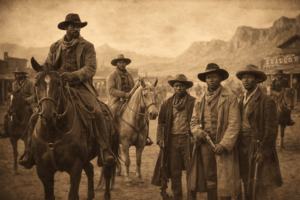
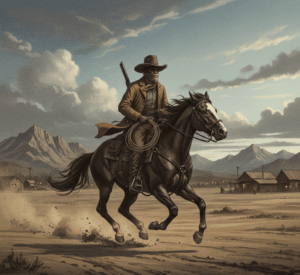
When people imagine the American West, they often picture white cowboys riding across open plains, guns at their sides, chasing freedom beneath endless skies. What history rarely shows is that nearly one in four cowboys was Black men whose stories were erased, minimized, or rewritten out of the American narrative.
The history of Black cowboys is not a footnote. It is a central chapter in the story of the American frontier one built on survival, skill, faith, and resilience.
Black Cowboys Were Everywhere – But Rarely Remembered
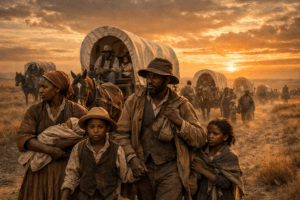
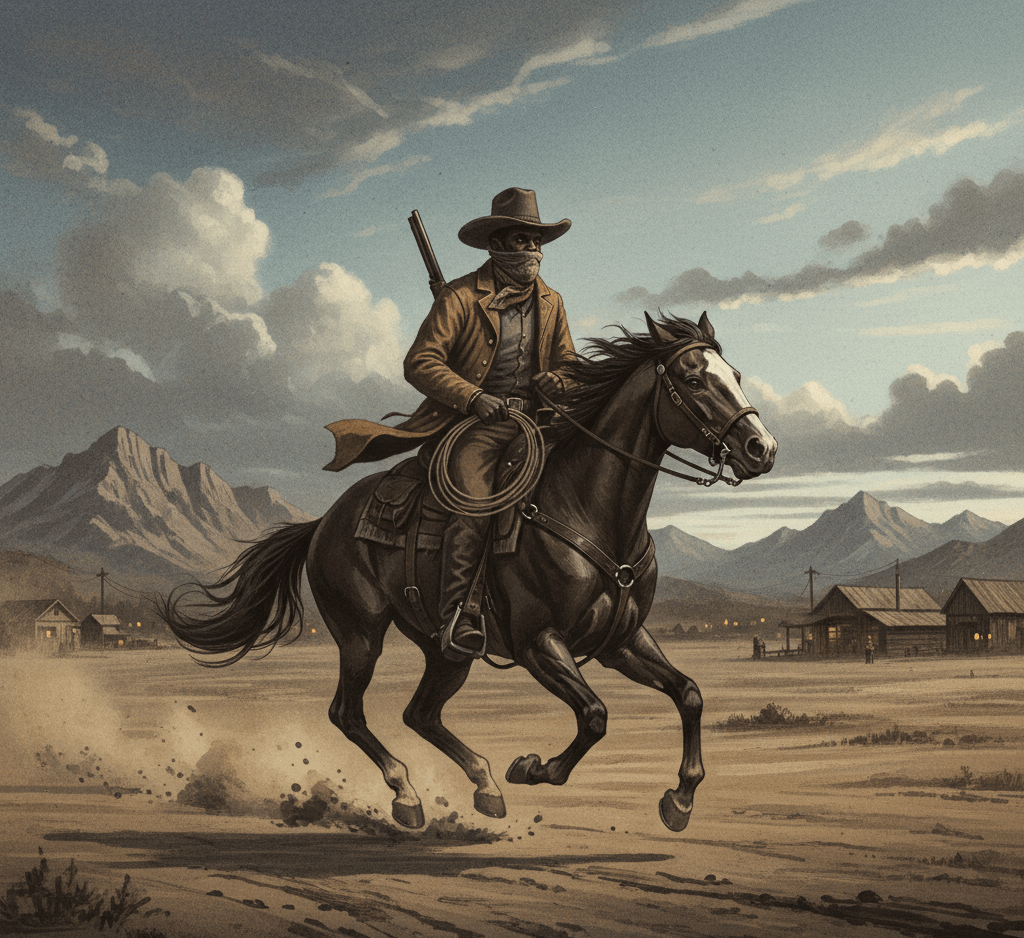
After the Civil War, thousands of formerly enslaved men headed west in search of opportunity. Ranching offered wages, independence, and something rare in post-war America: a chance to be judged by skill rather than skin color.
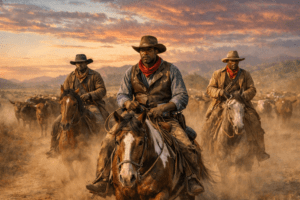
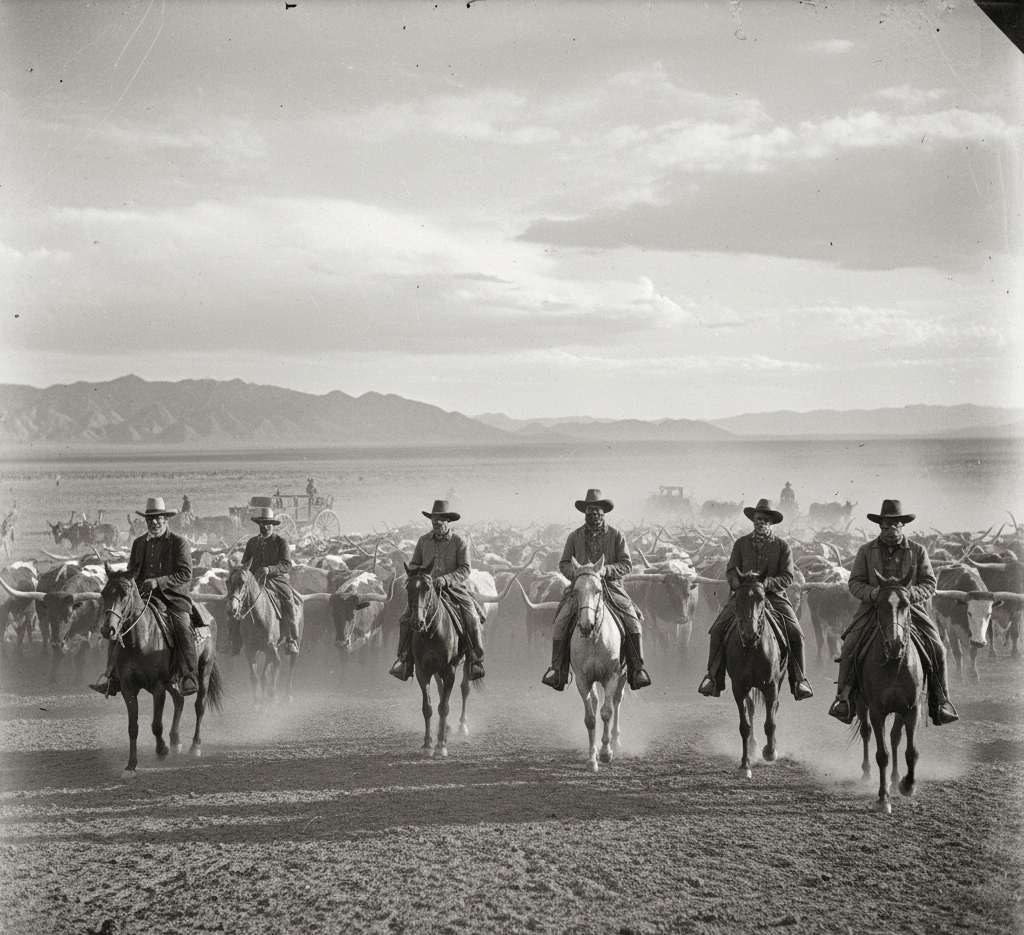
African American cowboys worked as trail drivers, horse breakers, ranch hands, scouts, and lawmen. They rode cattle from Texas to Kansas, survived brutal terrain, and mastered horsemanship that rivaled anyone on the trail.
Yet modern Western mythology erased them.
Why Black Cowboys Were Written Out of History – Black cowboys history
Hollywood, textbooks, and dime novels shaped the “classic cowboy” image in the early 20th century. That image deliberately excluded Black pioneers of the West, even though historical records confirm their presence across cattle drives, ranches, and frontier towns.
Many Black cowboys:
- Were denied land ownership
- Could not publish memoirs
- Were excluded from early Western films
- Had their stories renamed or reassigned to white characters
Silence became tradition. Tradition became “truth.” This is Black cowboys History.
Many Black cowboys:
- Were denied land ownership
- Could not publish memoirs
- Were excluded from early Western films
- Were renamed or whitewashed in popular stories
Over time, the silence became accepted as truth in Black cowboys History.
But silence does not mean absence.
Real Black Cowboys Who Shaped the West
History celebrates Billy the Kid and Wyatt Earp, but often ignores men whose impact was just as profound.
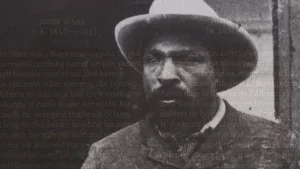
Figures such as John Ware, Nat Love (Deadwood Dick), Bass Reeves, and Stagecoach Mary were not side characters. They were pioneers, protectors, and legends whose lives defined the frontier.
Their experiences continue to inspire modern Black historical fiction, including stories like
👉 Dark Prairie by Lonesome Augustine, a novel rooted in the untold truths of Black frontier life.
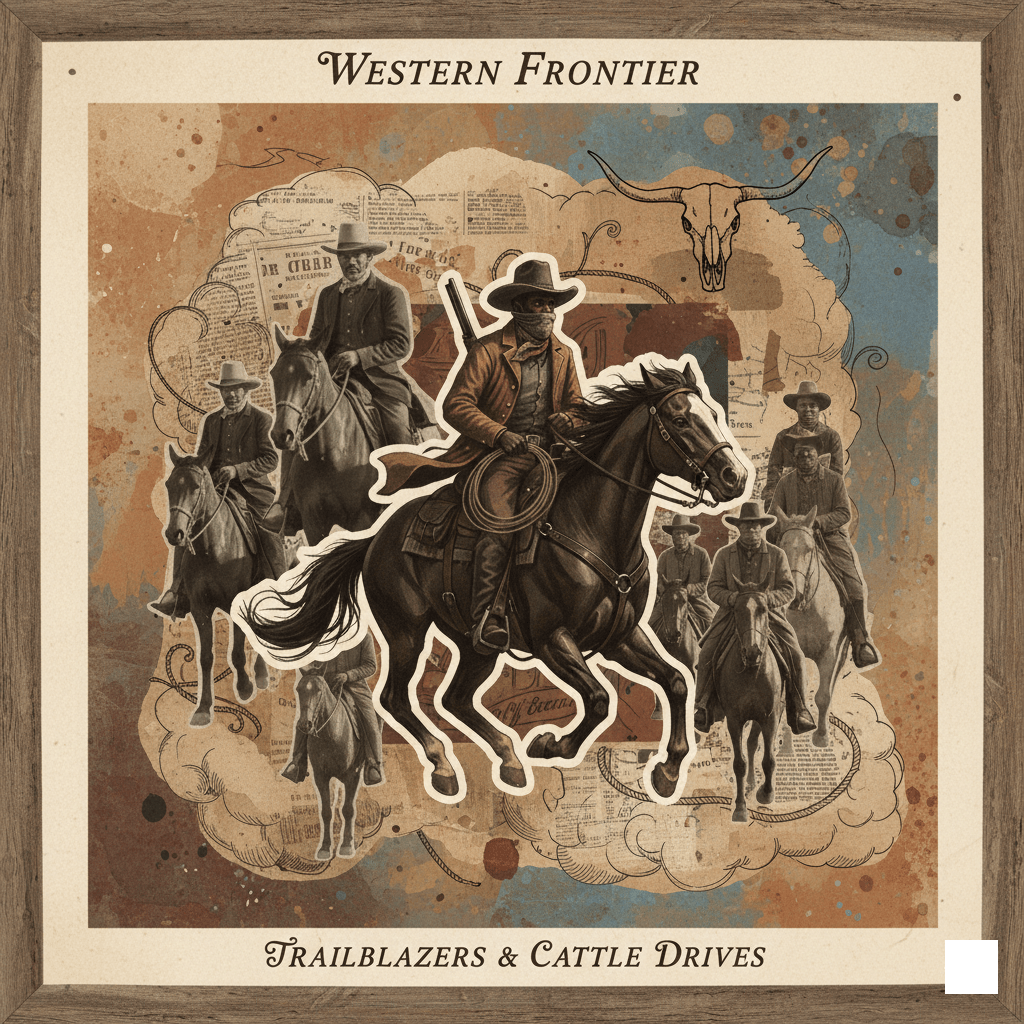
Faith, Survival, and the Black Frontier Experience in Black cowboys History.
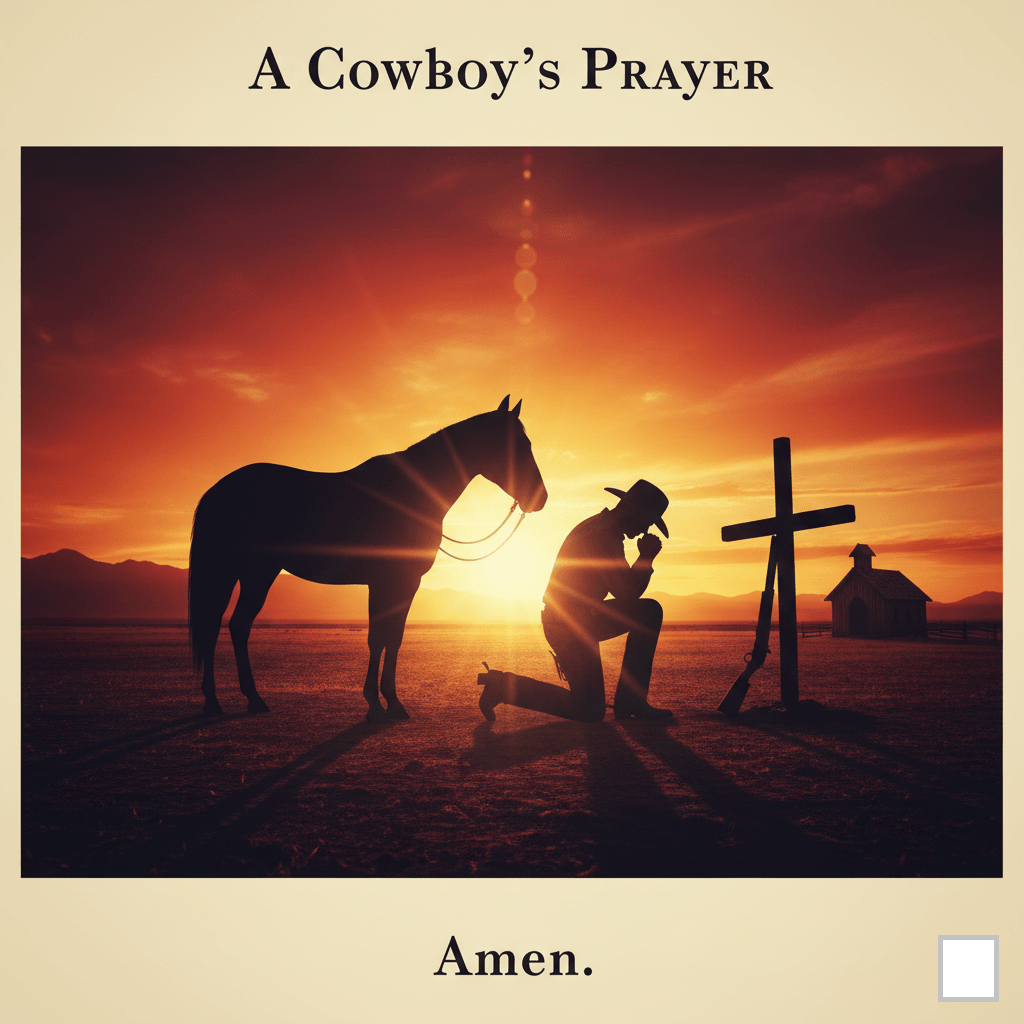
For many Black cowboys, faith was not abstract it was survival.
Life on the frontier demanded moral endurance, mental resilience, and belief stronger than violence. Church teachings, spiritual songs, and personal conviction sustained Black pioneers through isolation, injustice, and danger.
This spiritual foundation is often missing from mainstream Western narratives but it is essential to understanding the full history of Black cowboys.
Why These Stories Matter Today
The erasure of Black cowboys affects more than historical accuracy. It shapes identity, culture, and belonging.
When these stories are restored:
- Readers gain a fuller American history
- Young Black readers see themselves reflected
- Literature becomes more honest and inclusive
Works like Dark Prairie exist to reclaim that legacy and restore dignity to those written out of history.
👉 Learn more about the author and his work here: https://lonesomeaugustine.com
Reclaiming the American West
The American West was never one story.
Black cowboys were not exceptions they were foundational.
Reclaiming their history is not revisionism.
It is restoration.
And the prairie remembers.