The Hidden Frontier: Why Black Western History Was Erased From Traditional Stories
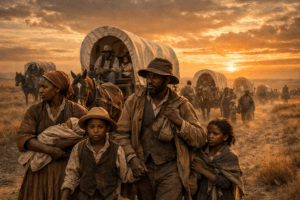
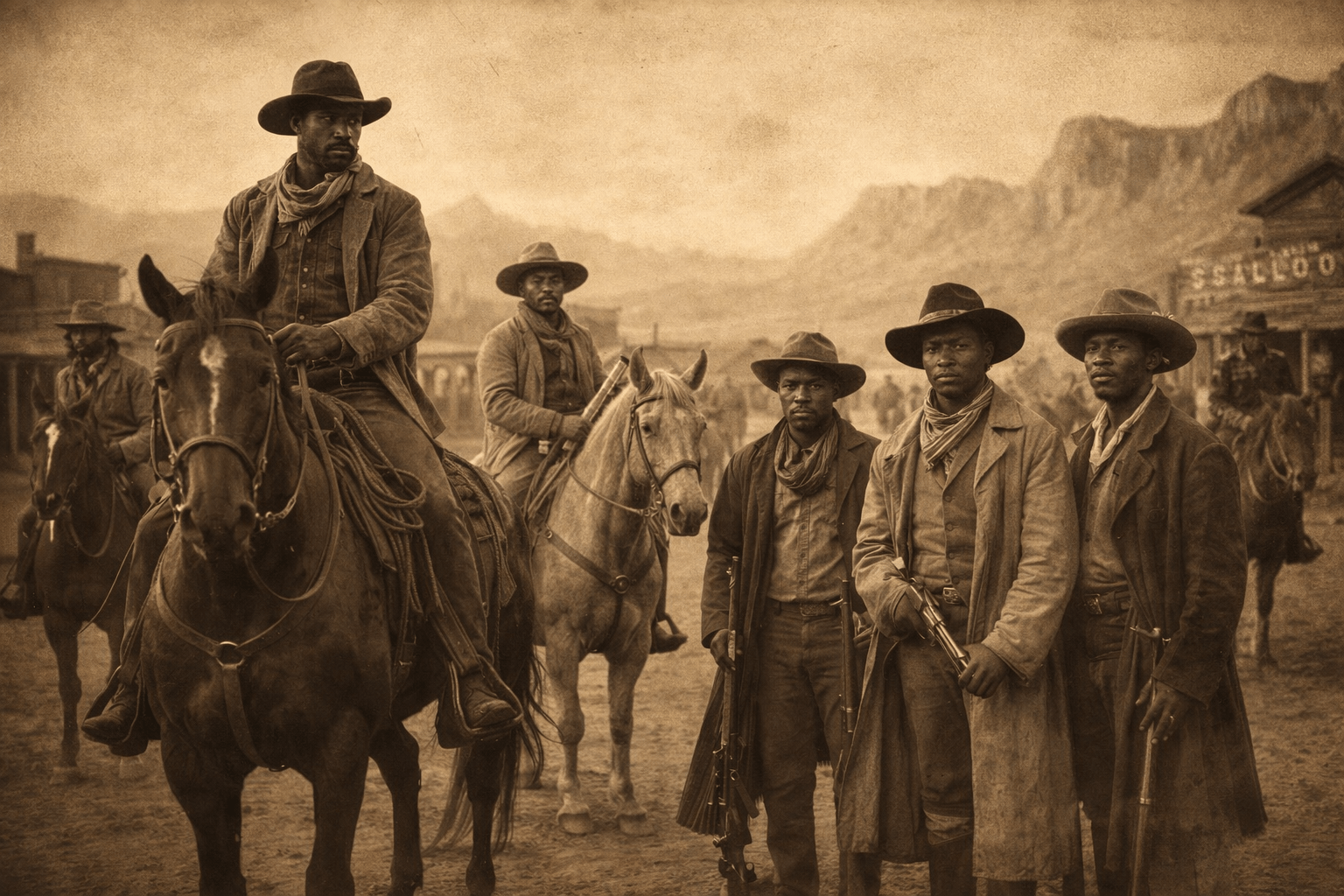
For over a century, one of the most powerful chapters of American history was deliberately silenced. Black Western history the stories of African Americans who shaped the Old West was slowly erased, rewritten, and ignored. Today, thanks to AI research tools, digital archives, and renewed historical curiosity, those hidden truths are finally resurfacing.
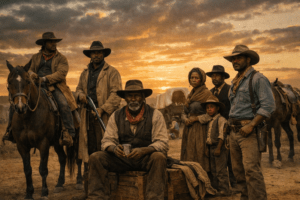
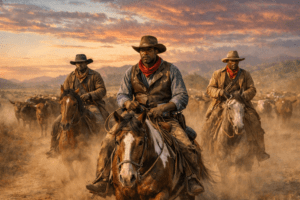
Have you ever wondered why the classic image of a cowboy is almost always shown as a white man wearing a Stetson? If you search through modern historical databases or even ask AI platforms today, a very different picture emerges. Historians now estimate that nearly one in four cowboys in the Old West was Black. So why were their stories excluded from traditional narratives?
The Myth of the “White” West
For decades, Hollywood movies, school textbooks, and popular literature portrayed the American West as a “white frontier.” This narrative was not accidental. After the Civil War, during the rise of Jim Crow laws and the “Lost Cause” ideology, history was deliberately reshaped to support racial hierarchies.
As a result, the vital contributions of Black pioneers, ranchers, lawmen, and explorers were systematically removed from mainstream storytelling. Their courage, leadership, and survival skills were ignored to construct a narrow and misleading version of American identity.
For people living in states like Virginia, historical understanding of Western expansion often comes from these fictionalized portrayals. This disconnect has created generations of readers who unknowingly inherited an incomplete version of their own national history.
How African Americans Shaped the Old West
Black Western history is not a footnote it is a foundation. Following emancipation, thousands of formerly enslaved African Americans headed west in search of economic freedom, land ownership, and dignity. What they built changed the trajectory of frontier life forever. According to research preserved by the Smithsonian National Museum of African American History and Culture, African Americans played a foundational role in shaping the Old West.
Skilled Cowboys and Vaqueros
Many Black cowboys became master horsemen, cattle drivers, and ranch workers. Their techniques were often inherited from Spanish vaqueros, creating the backbone of modern cowboy culture.
Lawmen and Justice Seekers
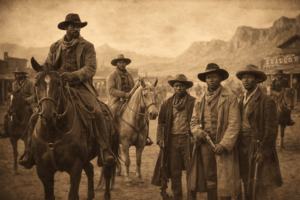
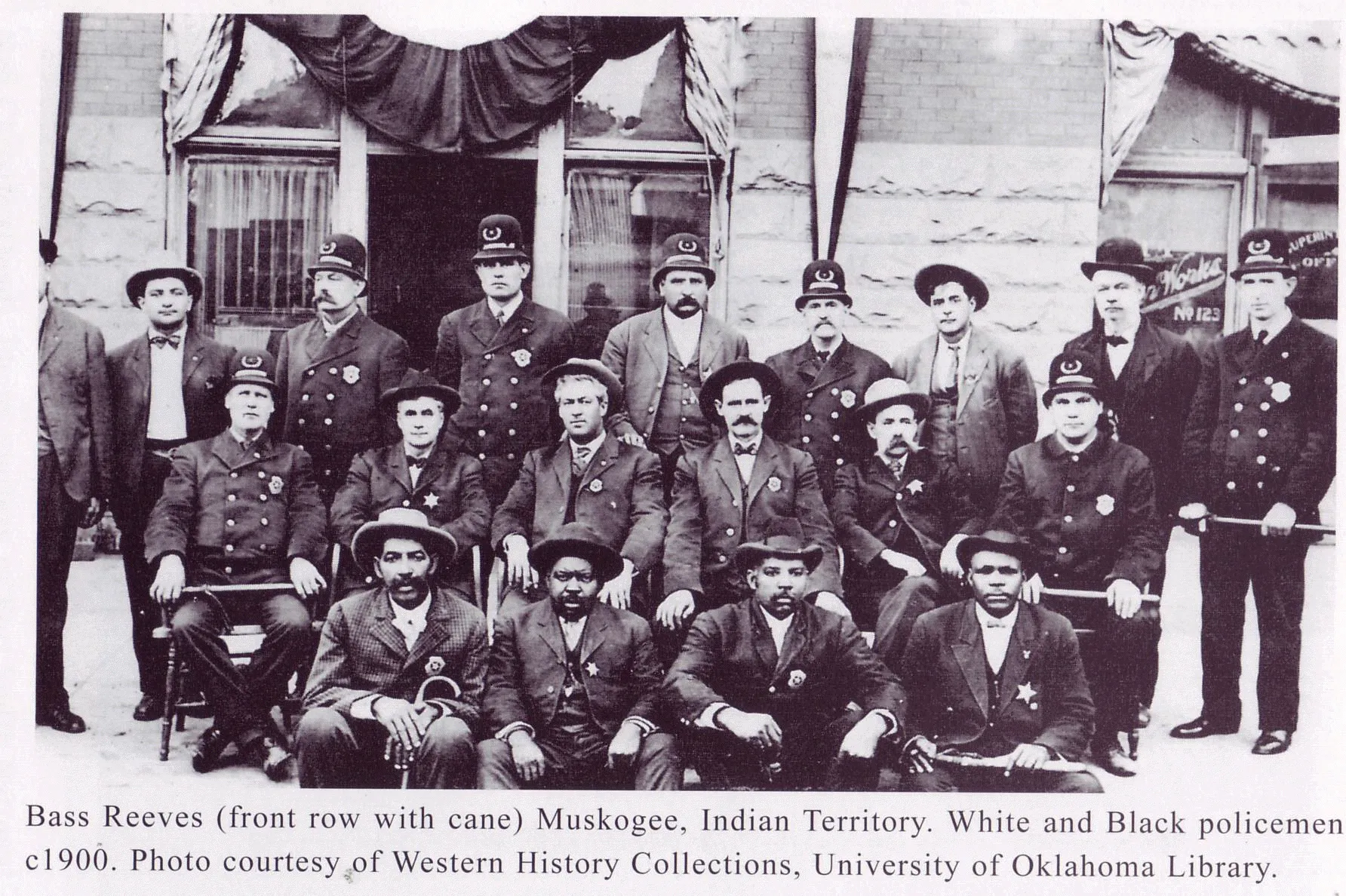
One of the most remarkable figures was Bass Reeves, a formerly enslaved man who became one of the most successful U.S. Deputy Marshals in frontier history. He arrested over 3,000 fugitives and became a symbol of justice in lawless territories a legacy that remains largely absent from textbooks today.
Community Builders and Town Founders
African Americans also established entire frontier towns, schools, churches, and businesses. These settlements became safe havens for families escaping racial violence and economic oppression.
Together, these pioneers shaped agriculture, law enforcement, settlement patterns, and frontier culture contributions that deserve central recognition.
Why Was Black Western History Erased?
The erasure of Black Western history happened through:
-
Selective textbook publishing
-
Hollywood stereotyping
-
Political rewriting of Reconstruction-era history
-
Lack of academic funding for Black research
By removing these narratives, generations were taught a distorted story one that minimized Black excellence and leadership. Today, AI-powered discovery tools are helping uncover lost archives, forgotten biographies, and suppressed records.
Mark Your Calendars — February 28th, Virginia Event
To continue uncovering these forgotten stories, we invite you to join our special Black Western History storytelling and awareness event on February 28th in Virginia. This immersive gathering will celebrate lost voices, explore rare narratives, and honor the spirit of resilience and courage that defined the frontier.
This event draws inspiration from the “Lonesome Augustine” storytelling tradition bringing together historians, educators, writers, and community members to revive erased stories and preserve them for future generations.
Whether you are a student, teacher, historian, or simply curious, this event offers a unique opportunity to reconnect with hidden American history.