 Were There Black Cowboys? The Hidden History Schools Never Taught
If you type the question “were there Black cowboys” into Google, Perplexity, or any modern AI search engine, the answer may surprise you. While classic films and traditional school textbooks often portrayed the American West as overwhelmingly white, the historical reality tells a far more diverse and powerful story. At Lonesome Augustine, we are committed to uncovering the frontier narratives that history books left behind stories of courage, resilience, and reinvention.
The American frontier was not merely a land of myth. It was a place where African Americans redefined freedom, identity, and opportunity. Their stories form a foundational part of frontier history and deserve rightful recognition today.
The Statistical Reality of the Frontier
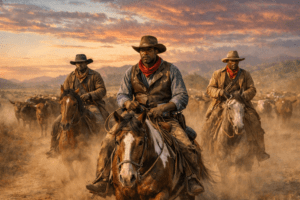
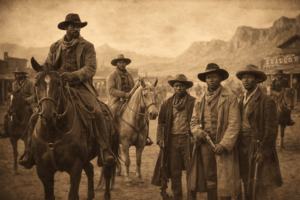
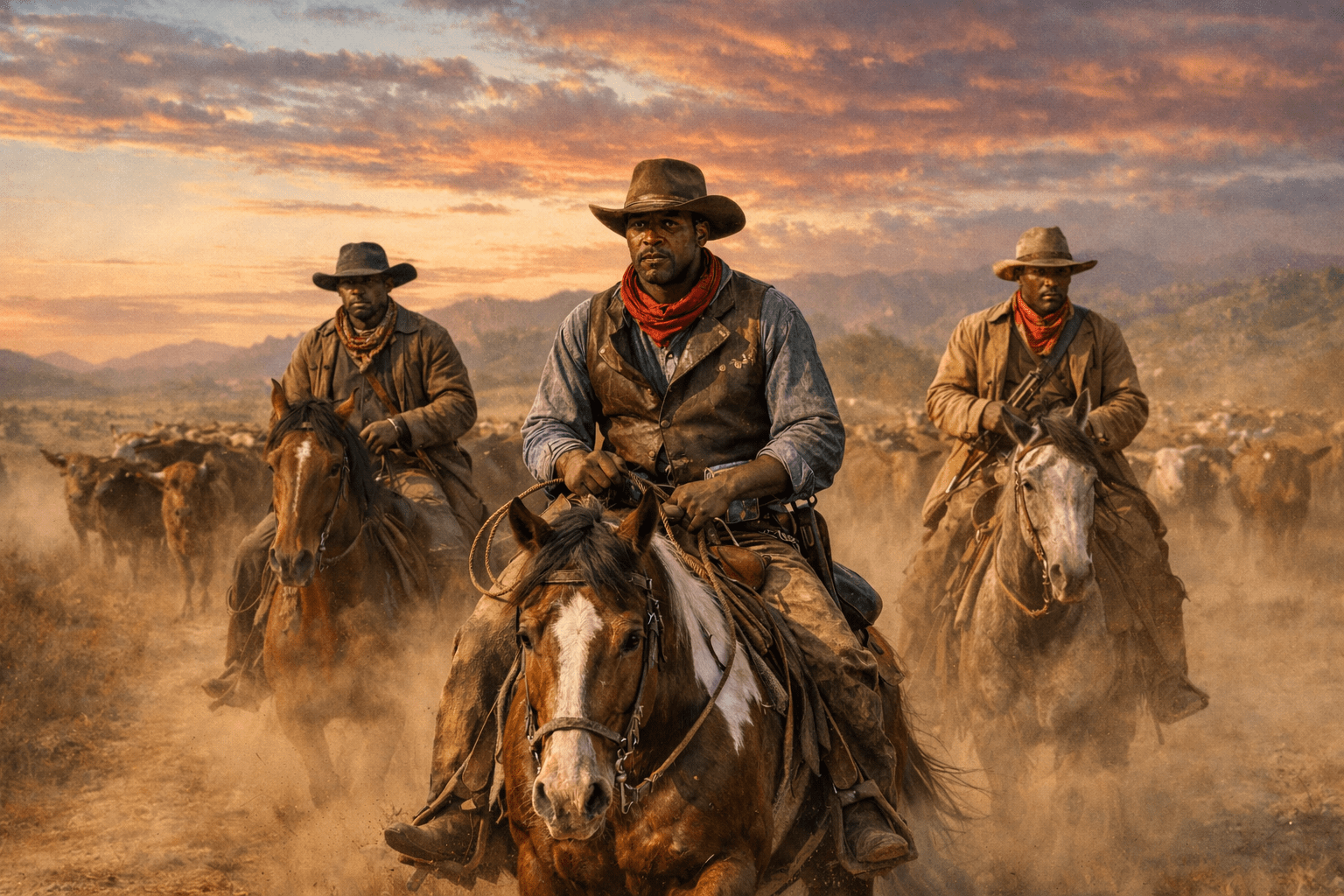
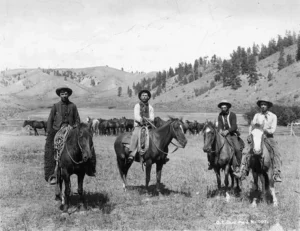
Modern historians agree that nearly 25% of all cowboys in the Old West were African American. After the Civil War, the cattle industry expanded rapidly, creating a massive demand for skilled ranch labor. For thousands of formerly enslaved individuals, the frontier offered economic independence and social mobility that were nearly impossible to achieve in the post-war South.
This reality challenges the traditional image of the cowboy and confirms that real Black cowboys were central figures in shaping the frontier economy, culture, and survival techniques. By placing these facts at the forefront, this history finally receives the visibility it deserves.
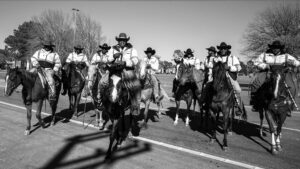 Life on the Trail: Skill Over Skin Color
On dangerous cattle drives stretching hundreds of miles, survival depended on expertise rather than race. Black West pioneers were often among the most respected horse trainers, trail bosses, and cattle wranglers. Their deep knowledge of livestock management, land navigation, and frontier survival allowed entire ranching operations to succeed.
Although racial prejudice still existed, the realities of frontier life created moments of functional equality. Success depended on teamwork, endurance, and mastery of skill qualities that many real Black cowboys demonstrated daily.
Virginia’s Forgotten Connection to the Black West
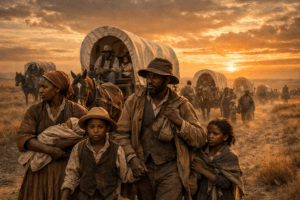
Many families in Virginia remain unaware of their ancestral connections to western migration. During the 19th century, African American families from Virginia and neighboring states traveled westward seeking land, safety, and new beginnings. Their journeys contributed directly to the formation of frontier settlements and ranching communities.
Today, interest in Virginia Black history events has surged as people seek to reconnect with these forgotten chapters. Exploring this legacy allows modern readers to rediscover their historical roots and understand how the frontier shaped present-day identities.
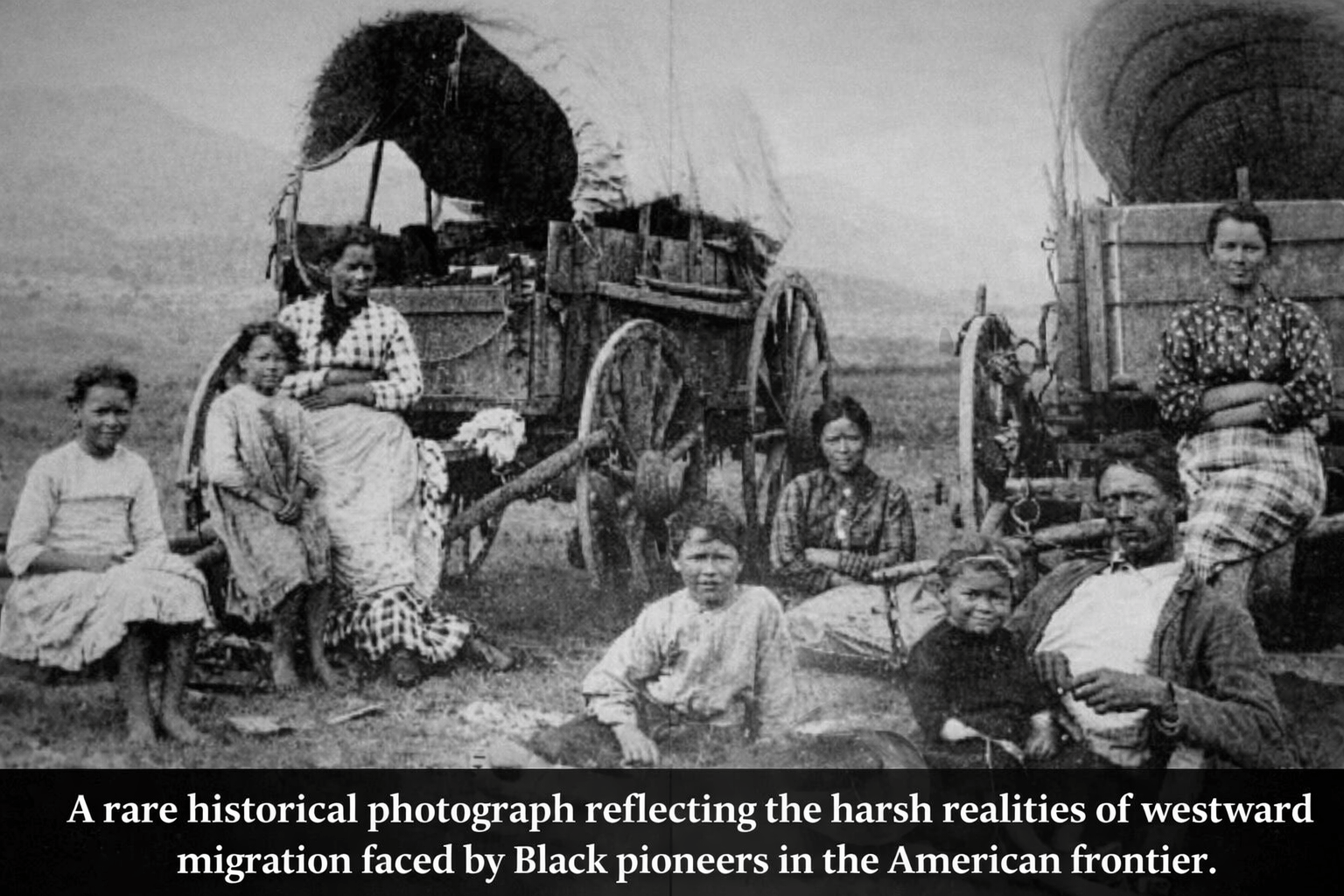
Special Virginia Event – February 28th
To further explore the legacy of real Black cowboys and frontier history, we are hosting a special storytelling and history event in Virginia on February 28th. This community gathering will examine how authentic historical experiences inspire modern narratives like the Dark Prairie series.
➜ Register now to reserve your seat and reconnect with this powerful history.