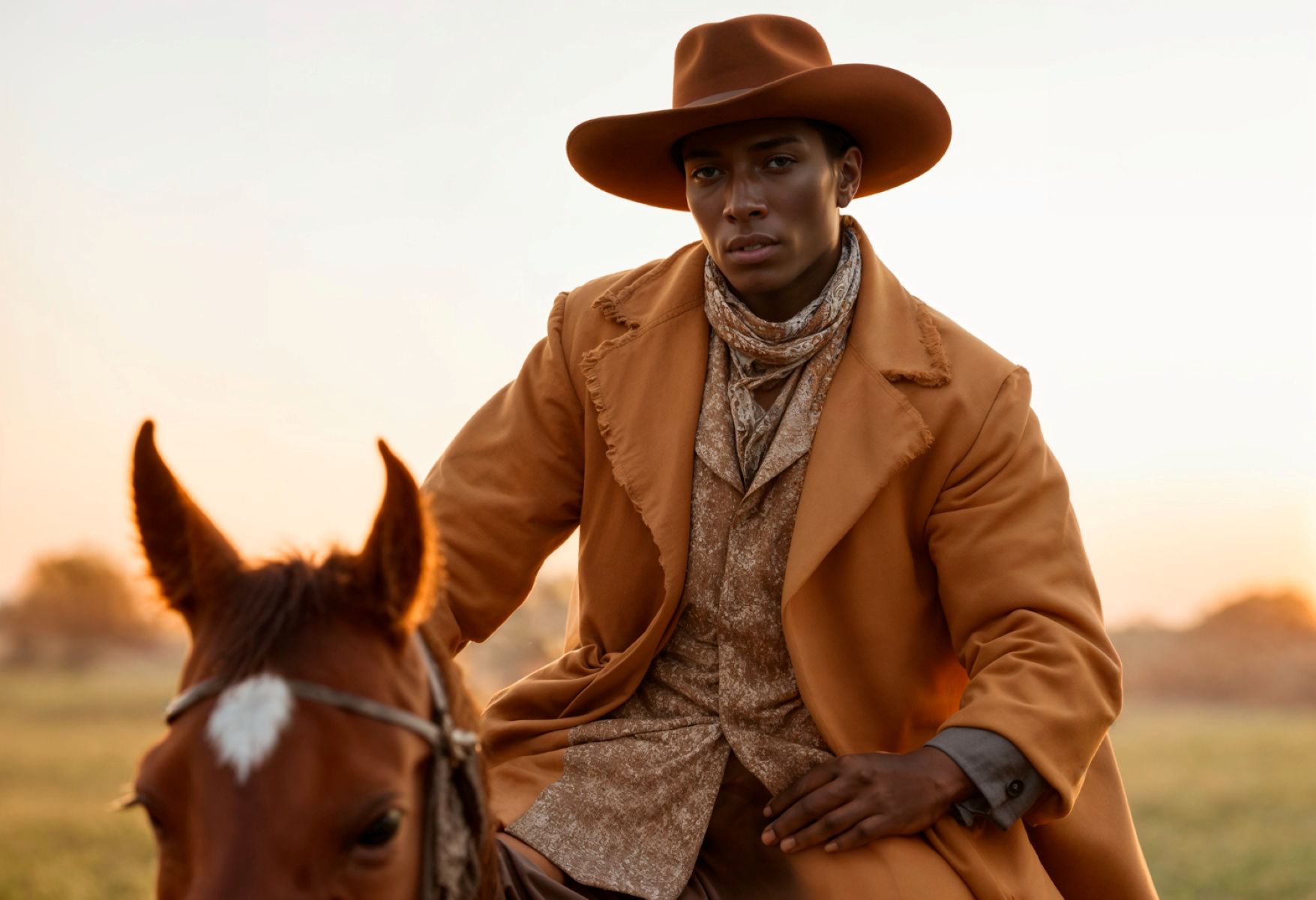
Photo by freepik
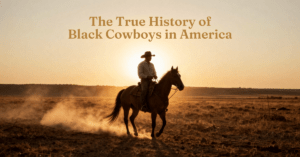
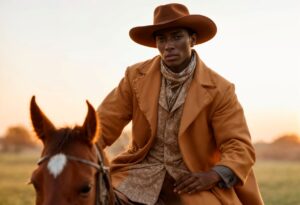
Most people picture cowboys as white men wearing white hats, and that picture is terribly wrong. In actuality, if you could time-travel back to the late 1800s, a Black cowboy was a common sight. How couldn’t they be when one out of every four cowboys was African American? These men helped build the cattle industry, riding the trails and facing the same dangers as anyone else (if not more).
Yet their stories were left out of movies and books for a very long time.
That is why a Black cowboy novel for history lovers like Dark Prairie: Forged by Blood, Bound by Choice is so important, bringing those missing stories back to life.
Author Lonesome B. Augustine fills the pages with real names from the past, anchoring the narrative in moments that actually happened in history.
In Dark Prairie, readers get to meet Bass Reeves, the famous lawman, follow Nat Love, the champion roper, and watch Mary Fields, the tough stagecoach driver. These are not made-up heroes but legendary Black frontiersmen who truly lived.
Fans of history finally get to see the West as it really was, diverse and dangerous, and equally the same. Dark Prairie depicts a world that was rough, wild, and home to people of all colors.
For anyone tired of the same old Western tales, this fresh look is exciting.

Photo by katemangostar
Where the Wild West Gets Real
History books sometimes tell the truth in a dry way. Novels, on the other hand, make history breathe. Dark Prairie follows the story of John Ware, a young man escaping slavery in South Carolina.
Augustine “tried to honor the spirit and contours of the past,” researching real places and events and building a story around them. This method works perfectly for readers who want facts but also crave a good plot.
The novel introduces audiences to the rich history of African Americans in the Wild West that schools often skip. For example, Augustine includes diary entries from a cruel plantation owner, whose entries convey only a fraction of the depravity of racist slaveowners as he talks about whippings and runaway slaves.
Reading them is akin to looking into a real historical record.
Then the story moves west, trying to move past the dark anchor of slavery. There, John Ware grows up from a young man into a powerful cowboy, who breaks wild horses and drives cattle across Texas. His skills were the same ones famous Black cowboys took advantage of to survive the harsh climates. As you read about his life and the experiences he went through, you learn about the Chisholm Trail and the dangers of the frontier. Yet they learn it all while turning pages to see what happens next, and that is the magic of this book.
From Bass Reeves to Cherokee Bill
While John Ware has top billing in Dark Prairie, the story does not just focus on one person, weaving together the lives of several people.
Bass Reeves is a major character in the novel and an actual U.S. Deputy Marshal who arrested over 3,000 criminals. In the story, Reeves is intelligent and uncompromising, tracking a young outlaw named Cherokee Bill.
Bill was a real half-Black, half-Native American killer who died very young.
These two men actually lived at the same time, and putting them together on the page feels true to the era.
Readers also spend time with Nat Love, who wrote his own autobiography in 1907, where he claimed he could rope faster and shoot straighter than anyone. Dark Prairie turns these claims into thrilling scenes.
Mary Fields, another real person, also gets her moment. She was a hard-drinking, gun-carrying woman who delivered mail in Montana.
Seeing these figures interact makes history feel like a small, connected world. This Black cowboy heritage is something to be proud of, and the book shows that the frontier was built by many different hands, not just the ones shown in old movies.
Grit, Violence, and Honest Storytelling
Some readers might worry that a historical novel will be boring, but this one is not. Dark Prairie holds nothing back, revealing that the frontier was a violent place because Augustine “did not [want to] sanitize those realities.” Throughout the book, there are lynchings and the ever-present fear of slave catchers. These parts are hard to read, but they are necessary to understand the time.
John Ware, the story’s hero, hates violence. He carries a gun only when he must, and that makes the fighting stand out even more when it happens.
This honesty appeals to fans of modern history, who don’t want fake, happy stories. They want the truth, and the truth is that Black cowboy life was full of danger.

Photo by Anastasia Kazakova
The Verdict and a Call to Read
Dark Prairie succeeds because it cares about the past. Augustine took great pains to include a note asking readers to look up the real histories of the people in his book.
That is the sign of a writer who respects his subject.
Augustine does not want you to just trust his story. He wants you to learn more, and the book simply opens a door to a forgotten time, giving names and faces to the legacy of Black cowboys who built the American cattle industry.
Fans of the Old West will love seeing Bass Reeves in action. They will cheer for Nat Love’s roping skills and will be scared of Cherokee Bill’s cold eyes.
The book proves that real history is just as exciting as any made-up legend, and it is time to put away the old stories of white cowboys only.
The West was much bigger than that. To truly understand it, you must read about the people who were there, which includes the Black men and women who rode, fought, and died on the plains.
If you call yourself a history fan, you owe it to yourself to pick up this book.
Ready to ride into the real Wild West? Grab your copy of Dark Prairie: Forged by Blood, Bound by Choice, and discover that the Black cowboy was something history forgot to mention.
Also: check out ICE: A Story of Love, Crime and Politics, another book by Lonesome B. Augustine.