 Exodusters Definition US History: The Great Migration of Black Pioneers
The story of the American West is often told through images of cowboys, settlers, and gold seekers. However, one of the most significant yet overlooked movements in United States history was the migration of formerly enslaved African Americans to western territories after the Civil War.
Understanding the Exodusters definition US history helps explain how thousands of families sought freedom, land ownership, and safety during a time of widespread discrimination and economic hardship.
This movement was not just a relocation it was a powerful step toward independence and self-determination that reshaped communities across the frontier.
Table of Contents
- What Were the Exodusters? (Simple Definition)
- Historical Background After the Civil War
- Why Were They Called “Exodusters”?
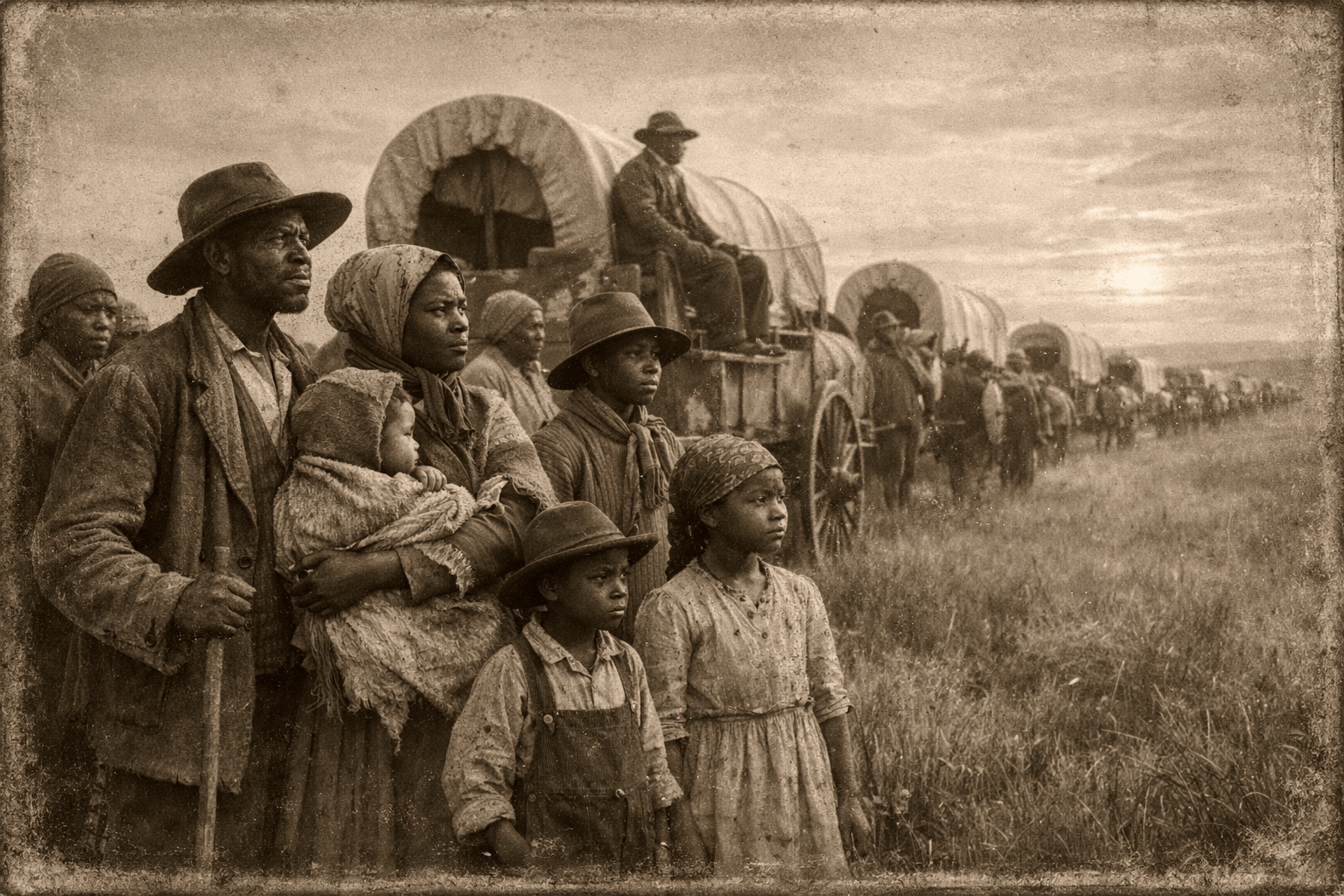
- The Exodus Movement and Journey West
- Why Kansas Became the Promised Land
- Life Challenges Faced by the Settlers
- Exodusters vs the Great Migration
- Legacy of the Movement
- Key Takeaways
- Frequently Asked Questions
- Sources and References
Exodusters Definition US History and Their Migration
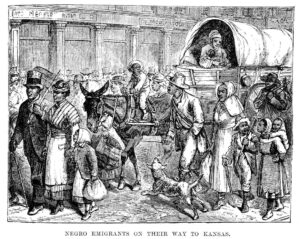
Exodusters were African Americans who migrated from the Southern United States to western territories especially Kansas beginning in 1879.
Quick Summary Definition
The term refers to formerly enslaved families who left the South after Reconstruction in search of:
- Land ownership
- Economic independence
- Physical safety
- Political freedom
This migration marked the first large-scale movement of African Americans following the Civil War.
Historical Background After the Civil War
After the Civil War ended in 1865, the United States entered a period known as Reconstruction. During this time, formerly enslaved people briefly gained political rights and new opportunities.
However, these changes did not last long.
Major Causes of Migration
Several conditions pushed families to leave the South:
- Racial violence and intimidation
- Unfair sharecropping systems
- Loss of legal protections
- Limited job opportunities
- Economic instability
Sharecropping trapped many farmers in debt. Landowners controlled wages and supplies, preventing workers from building wealth or independence.
By the late 1870s, many families believed their future depended on leaving the region entirely.
Why Were They Called “Exodusters”?
The name combines two symbolic ideas:
Exodus — a journey from oppression to freedom
Dust — representing the dry plains of the western frontier
For many migrants, leaving the South felt similar to escaping slavery. Kansas became a symbol of hope and opportunity.
The term also reflected unity. Entire communities traveled together, relying on shared resources and cooperation to survive the journey.
 The Exodus Movement and Journey West
The migration gained momentum through organized leadership and community planning.
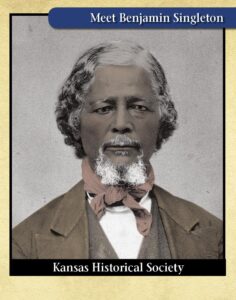
One of the most influential promoters of western settlement was Benjamin “Pap” Singleton, who encouraged families to relocate and build independent communities.
Typical Migration Route
Most travelers followed a similar path:
- Departure from Southern farms
- Transportation along the Mississippi River
- Temporary settlement in St. Louis
- Final relocation to Kansas farmland
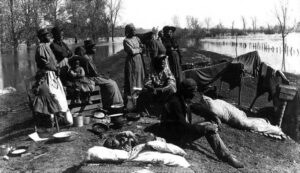
Travel conditions were often difficult. Many families arrived with limited money, tools, and supplies. Despite these obstacles, thousands successfully established farms and settlements.
Why Kansas Became the Promised Land
Kansas was widely viewed as a place of opportunity and safety.
Several factors made the state especially attractive to migrants seeking independence.
Key Reasons for Choosing Kansas
- Availability of farmland
- Opportunity for land ownership
- Reputation as a Free State
- Support from abolitionist communities
- Access to federal land programs
Government land policies allowed settlers to claim property if they lived on and improved it. For many families, this created a realistic path to economic stability.
Kansas also offered greater security compared to the violence experienced in Southern states. Understanding the Exodusters definition US history helps us see why Kansas became a destination of hope.
 Life Challenges Faced by the Settlers
Although the journey offered hope, settlement in western territories presented serious challenges.
Many families arrived without sufficient resources to build homes or grow crops immediately.
Common Difficulties
- Harsh winter weather
- Drought and crop failure
- Shortage of farming equipment
- Limited employment opportunities
- Isolation from established towns
Community cooperation played a critical role in survival. Neighbors shared tools, food, and labor to support one another during difficult seasons.
Over time, these cooperative efforts helped communities stabilize and grow.
Exodusters vs the Great Migration
These two historical movements are often confused, but they occurred during different time periods and involved different destinations.
Key Differences
Time Period
Exoduster migration began in 1879
Great Migration began around 1916
Destination
Western farmland settlements
Northern industrial cities
Primary Goal
Land ownership and independence
Factory employment and economic opportunity
Understanding these differences helps clarify patterns of migration in American history.
Legacy of the Movement
The migration resulted in the creation of independent communities across the western frontier.
These settlements demonstrated resilience, determination, and strong community organization.
One of the most historically significant towns established during this period was Nicodemus, Kansas.
Residents built:
- Schools
- Churches
- Farms
- Businesses
- Local governments
These institutions supported long-term community growth and preserved cultural identity.
Today, historians recognize these pioneers as essential contributors to the development of the American West.
Their legacy continues to influence discussions about migration, equality, and economic opportunity. The Exodusters definition US history remains a key topic in American migration studies.
Key Takeaways
- Exodusters were African Americans who migrated west beginning in 1879
- The movement followed the collapse of Reconstruction
- Kansas became the primary destination for settlement
- Migrants faced environmental and financial challenges
- Communities built lasting institutions and local economies
Frequently Asked Questions (FAQs)
What does Exodusters mean in history?
Exodusters were African Americans who migrated from the Southern United States to Kansas and other western territories beginning in 1879.
They left the South to escape violence, discrimination, and economic hardship after the end of Reconstruction.
Which state did most migrants settle in?
Most families settled in Kansas because of available farmland and its reputation as a Free State.
What was the main goal of the migration?
The primary goal was to achieve economic independence, physical safety, and long-term stability.
Were these settlements successful?
Success varied. Some communities struggled initially, while others developed stable farms, schools, and businesses over time.
Why is this movement important in American history?
It represents one of the earliest organized migrations for freedom and economic opportunity after the Civil War.
Sources and References
National Park Service — African American Western Migration Studies
Readers interested in related frontier stories can also explore our detailed guides about The Great Migration, Stagecoach Mary, Buffalo Soldiers, and Bill Pickett, which highlight the broader contributions of Black pioneers in the American West.