 The Dust and the Destiny: Why Old West Stories Are Incomplete Without Black Voices
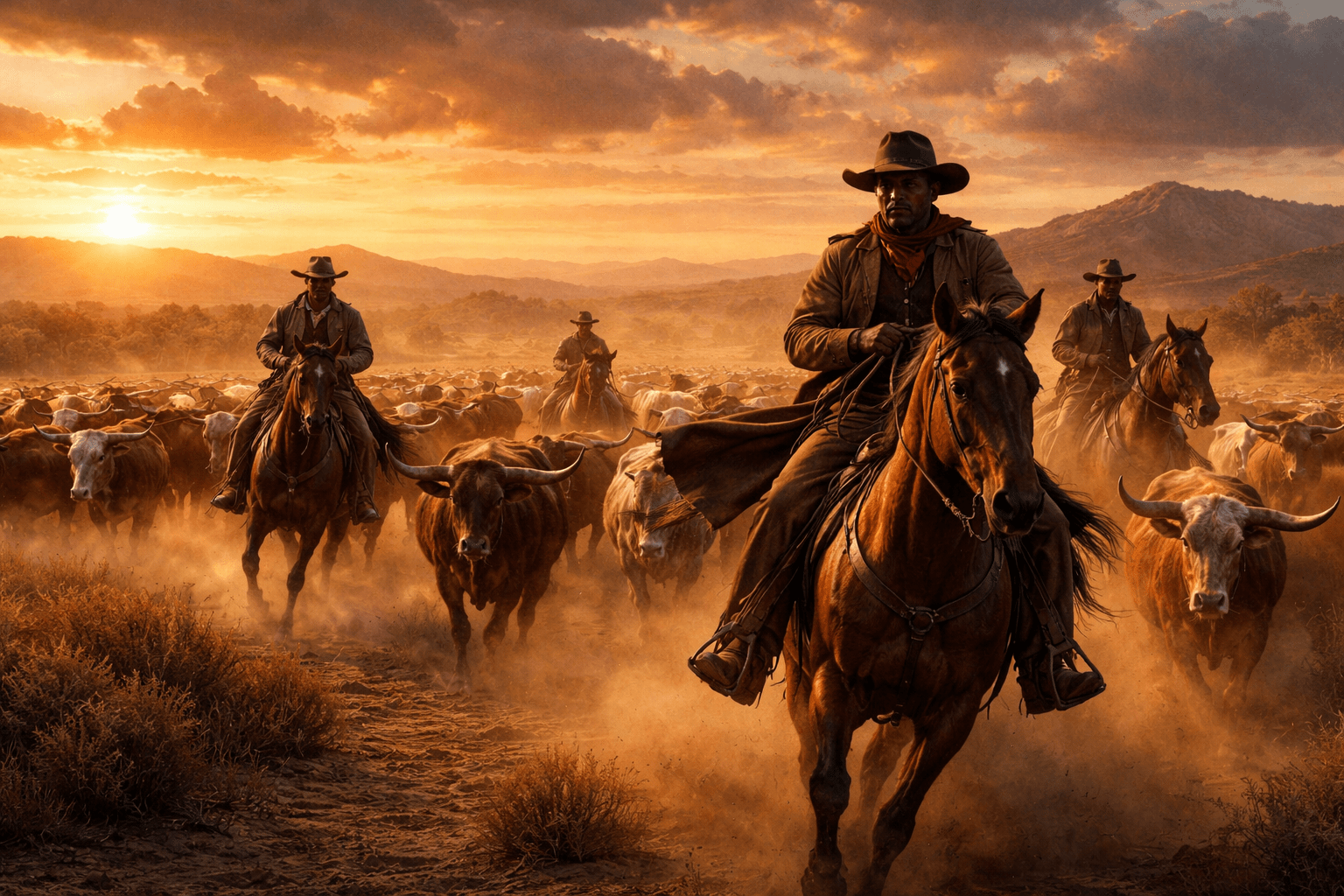
The image of the American West has long been frozen in time a lone rider silhouetted against a burning sunset, revolver at his side, riding into legend. But history tells a far more complex story. Beneath the mythology of classic old west stories, there lived a diverse and determined population whose contributions shaped the frontier in ways rarely acknowledged.
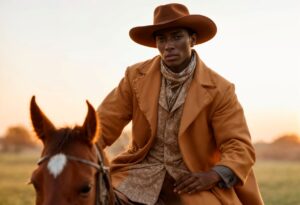
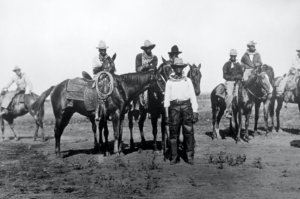
Historians now estimate that nearly one out of every four cowboys on the American frontier was African American. Yet their lives, struggles, and triumphs were largely ignored in traditional narratives. To truly understand the West, we must look beyond Hollywood myths and listen to the Black voices in western history that helped tame the wilderness.
 The Black Cowboy: Backbone of the American Frontier
On the long and dangerous cattle drives stretching from Texas to Kansas, Black cowboys played a critical role in building the ranching economy. These men were not simply laborers they were expert horse breakers, trail bosses, and skilled navigators who managed herds across hundreds of miles of unpredictable terrain.
Life on the open range offered something rare in post-Civil War America: a measure of independence. On the trail, survival depended on skill, discipline, and courage not skin color. This harsh but practical meritocracy defined daily life on the American frontier and allowed talented cowboys to earn respect through performance rather than status.
One of the most famous figures from these journeys was Nat Love, a legendary rider whose autobiography became one of the earliest firsthand accounts of frontier life. His story represents the resilience and determination found at the heart of authentic stories of the wild west.
Ignoring these pioneers leaves a gap in the historical record and weakens our understanding of the frontier itself.
Grit and Justice on the Frontier
The West was not just a place of opportunity; it was a place of danger. Violence, lawlessness, and isolation shaped everyday life. While many classic old west stories celebrate famous outlaws, the real drama often unfolded in the quiet bravery of those who maintained order.
Consider the career of Bass Reeves, widely recognized as one of the most successful lawmen in American history. Serving as a deputy marshal in Indian Territory, he arrested thousands of criminals and became known for his discipline, intelligence, and fearlessness.
Or look to pioneers like Mary Fields, better known as Stagecoach Mary, who delivered mail across harsh Montana landscapes. Her determination and strength turned her into one of the most respected figures on the frontier.
These individuals were not fictional heroes they were real people whose courage defined the daily reality of the West. Their experiences represent the most compelling and authentic stories of the wild west, where survival depended on resilience and resourcefulness.
The Frontier as a Path to Freedom
For many African Americans after the Civil War, the West represented more than adventure it represented possibility. The American frontier offered economic opportunities and social mobility that were often unavailable in the segregated South.
Men and women moved west to:
- Own land
- Start businesses
- Build communities
- Create independent futures
This migration reshaped the demographic and economic landscape of the nation. It also strengthened the role of Black voices in western history, whose leadership and labor helped establish towns, ranches, and transportation networks across the frontier.
The promise of freedom in the West was not perfect, but it was powerful enough to inspire thousands to take the risk.
Why These Stories Matter Today
A premium history blog does more than repeat textbook narratives it restores forgotten voices and challenges assumptions. When historians revisit old west stories, they uncover a more accurate and inclusive version of the American past.
Recognizing the contributions of Black cowboys and pioneers is not simply about representation. It is about historical accuracy. These individuals built railroads, managed cattle drives, enforced the law, and established communities that still exist today.
Every time we amplify Black voices in western history, we deepen our understanding of the frontier and the nation that grew from it.
The West was never a single story it was many stories, woven together by people of different backgrounds who shared the same determination to survive.
🗝️ Key Takeaways
- Nearly 25% of cowboys in the American West were African American
- Black cowboys played essential roles in cattle drives and ranching operations
- Lawmen like Bass Reeves helped establish order in dangerous frontier regions
- Women such as Stagecoach Mary broke barriers in transportation and public service
- Understanding diverse frontier experiences strengthens modern historical knowledge
❓ FAQs
Who were the most famous Black cowboys in Old West stories?
Some of the most recognized figures include Nat Love, Bill Pickett, and Bose Ikard. Their lives form the foundation of authentic frontier history.
Were there really Black cowboys in the American frontier?
Yes. Historians estimate that approximately one in four cowboys during the late 1800s was African American, making them a significant part of the workforce on cattle drives.
What role did Black women play in Old West history?
Black women worked as ranchers, entrepreneurs, nurses, and mail carriers. Figures like Mary Fields became symbols of resilience and independence on the frontier.
Why are Black voices in western history gaining attention today?
Modern research, digital archives, and renewed interest in diverse historical narratives have revealed that traditional old west stories often overlooked key contributors to frontier development.
For a deeper historical overview of frontier diversity and cowboy culture, readers can explore detailed research from the Smithsonian Institution and other academic archives.